New Delhi – On a balmy June evening at the India International Centre, a generation rose to its feet, not for a statesman or a sporting hero, but for a showman who had long since transcended the screen. The occasion was Shabdanjali: Raj Kapoor – The Idea of Showmanship, the inaugural event of the Raj Kapoor Centenary Celebration 2025, a yearlong homage to a man who didn’t just make movies—he redefined what it meant to be Indian.
Organized by Respect India, the event was a stirring blend of memory, reverence, and cultural introspection. The evening opened with a poignant welcome by Dr. Nirmal Gehlot, President of Respect India, setting the tone for what was to follow: not merely a tribute but a reclamation of Raj Kapoor’s artistic and moral legacy.
“Raj Kapoor ignited a passion in the young generation,” declared Dr. Sachchidanand Joshi, Member Secretary of IGNCA. “If you haven’t sneaked into a theatre or ‘borrowed’ a few paisas for a ticket, you haven’t truly lived the magic of cinema.” With these words, the audience was swept into a world where rebellion wore a smile, love sang its heart out in black-and-white montages, and idealism played in the background like a haunting melody.
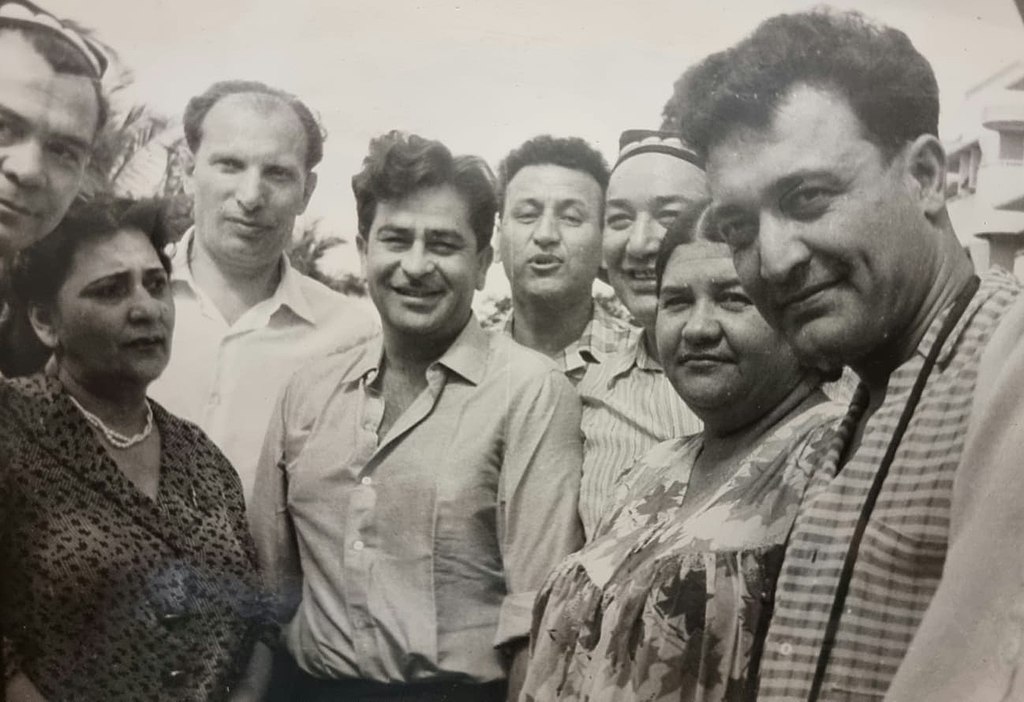
Dr. Joshi’s reflections cut deep, linking Kapoor’s legacy to the soul of an emerging nation. “When India got independence, Kapoor didn’t wait for the film industry to catch up. In just three years, he gave us Aag, Barsaat, and Awaara—works of staggering emotional depth.” His cinema, Joshi emphasized, was “a moral mirror to a young and evolving India,” a celluloid scripture for a nation defining its identity.
The evening was chaired by Shri B.P. Singh, former Governor of Sikkim, and graced by political and cultural stalwarts alike, including Shri Manoj Tiwari, MP, who called Kapoor “the cinematic conscience of a generation.” Actor Mukesh Tyagi and Padma Shri Dr. Yash Gulati offered warm personal tributes, each sharing how Kapoor’s films shaped their sense of humanism and cultural pride.
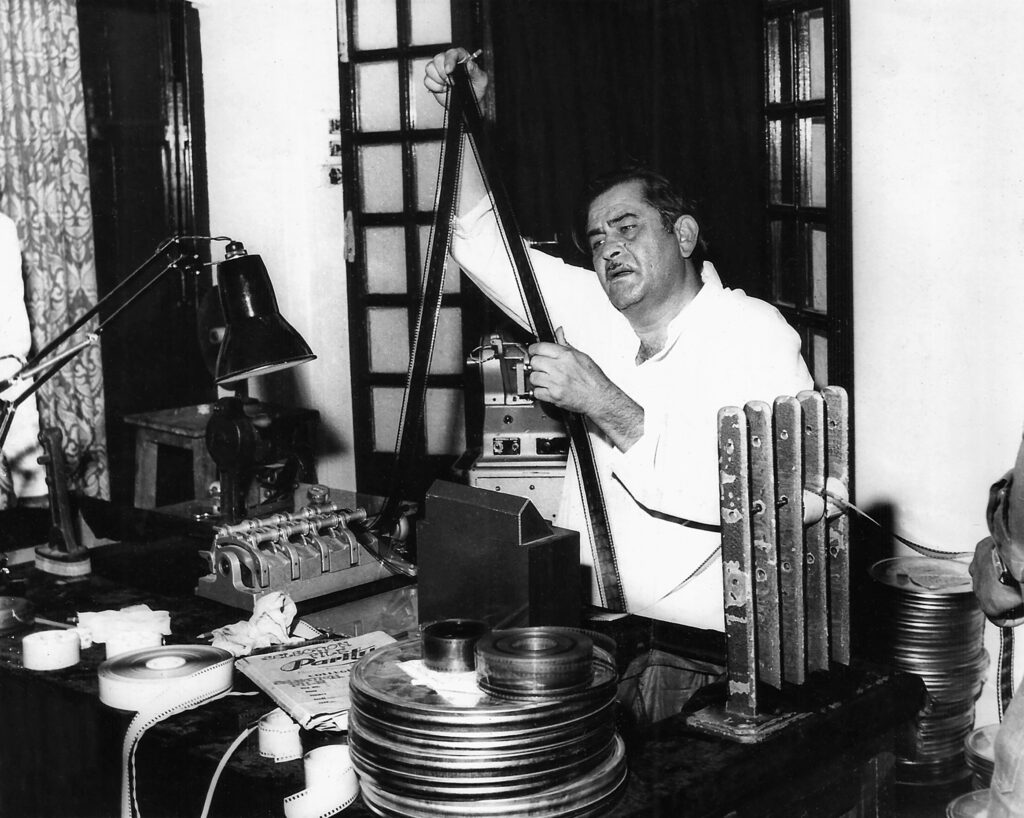
Delivering the keynote address, Mrs. Nirupama Kotru, Additional Secretary at the Ministry of Culture, added a socio-political lens to the cinematic retrospective. She highlighted how Kapoor’s empathy extended to the margins of society—how films like Boot Polish, Jagte Raho, and Baawre gave voice to the invisible. “Such was the impact of his narratives,” she recalled, “that dacoits in India began surrendering in the 1970s, moved by the redemptive journeys portrayed in his films.”
In a moment that visibly moved the audience, Kotru shared a striking anecdote. “An Indian doctor once operated on a patient in Africa. Upon learning the doctor was from India, the patient lit up and said, ‘Raj Kapoor’s India!’ That’s how deeply embedded he was in the world’s imagination.”
Kapoor’s genius, the speakers agreed, was not just in telling stories—but in knowing which stories a nation longed to hear. His characters were vagabonds and dreamers, lovers and rebels—flawed but luminous, much like India itself.
As India stands at the crossroads of its own cultural evolution, the centenary celebration is more than nostalgia. It is a clarion call. Respect India, through a series of lectures, retrospectives, exhibitions, and international events, aims to introduce Kapoor anew—to Gen Zs and Alphas, who might know his smile from memes but not his voice in the nation’s moral fabric.
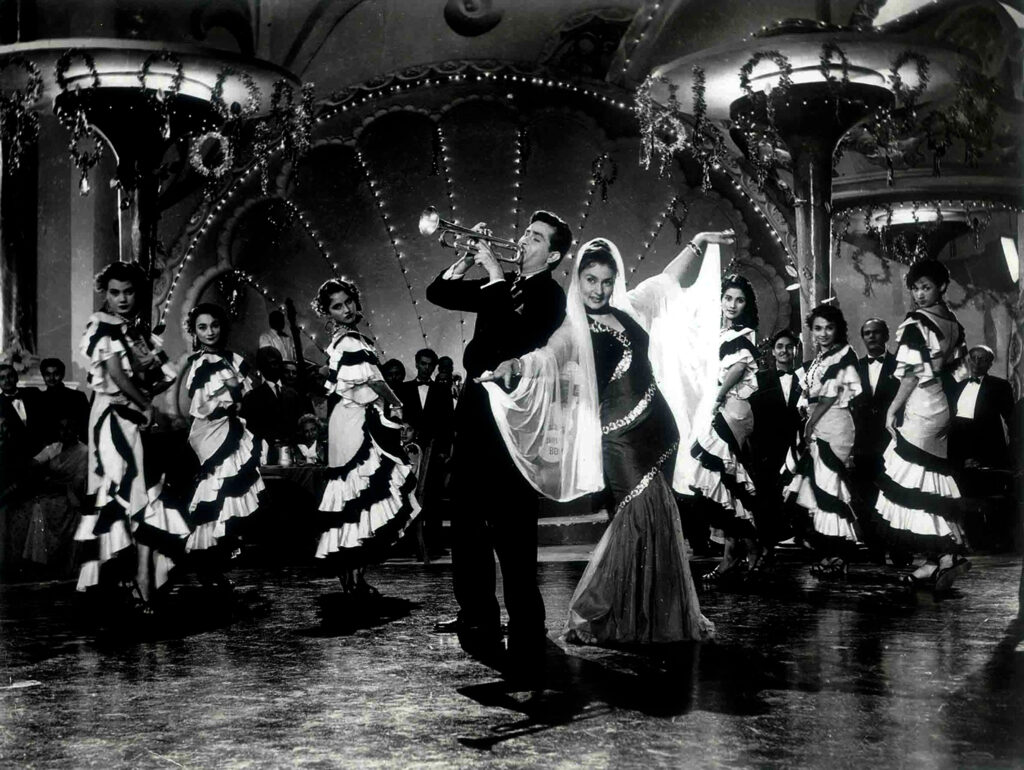
The event concluded with a sense of quiet awe—less a finale than an opening chapter. As Dr. Joshi aptly stated, “Raj Kapoor was not just a filmmaker. He was India’s emotional autobiography—written on celluloid.” In an age of algorithmic entertainment, his centenary asks us to look not just at screens but within.
And perhaps, just perhaps, to ‘borrow’ a few paisas of memory for the ticket.